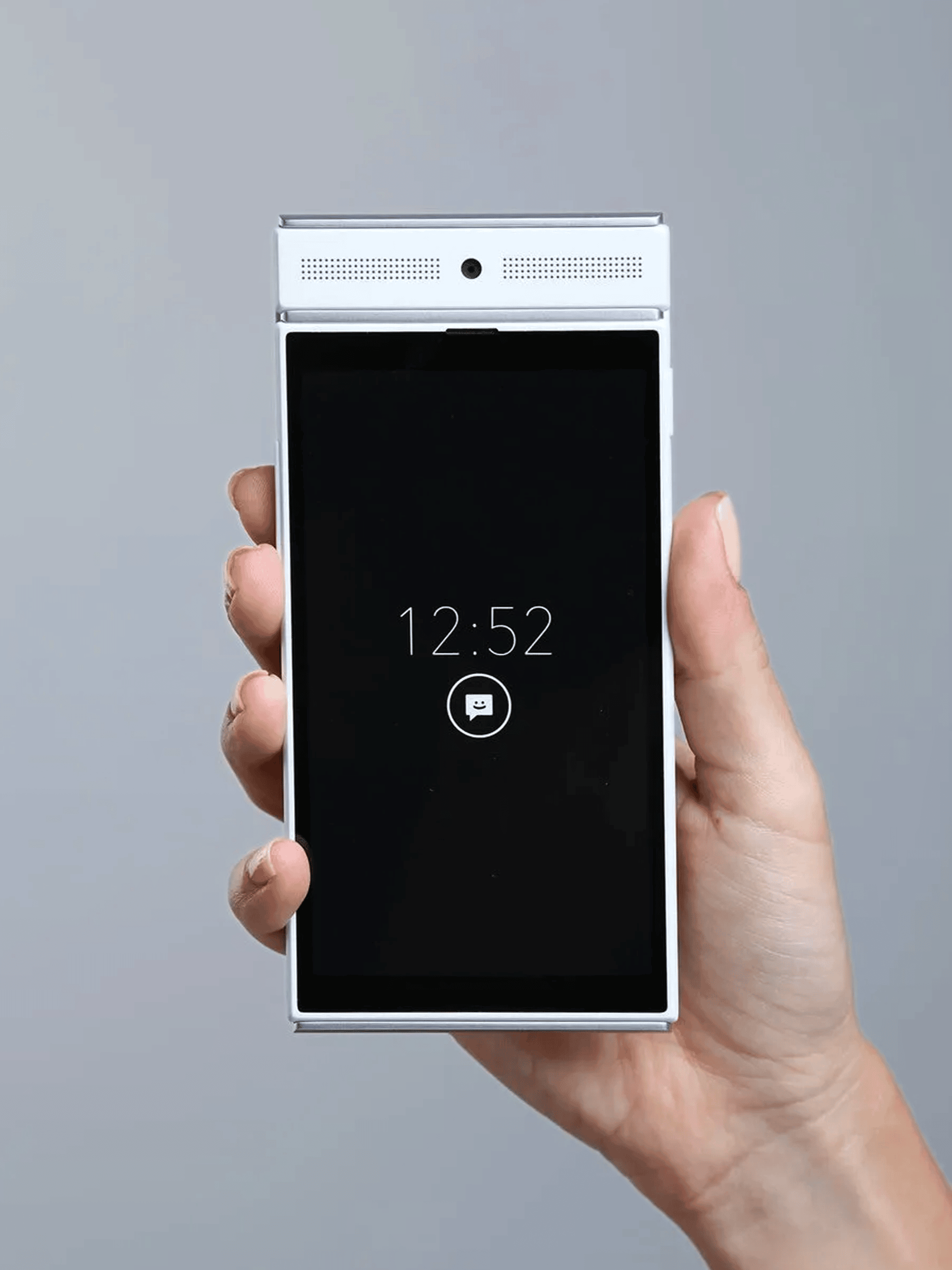
ARA Modular Phone
NDD X GOOGLE|2014
CANCELED
BRIEF: Google ATAP, an experimental division of Google, wanted to develop a modular smartphone inspired by PhoneBloks. Frames and modules would allow users to swap out individual modules as innovations emerge, providing longer lifetime cycles for the handset, and potentially reducing electronic waste.
BRIEF
OUTCOME: Despite its innovative potential and sleek design, this project was ultimately canceled, reflecting many of the challenges of the experimental nature of ATAP projects.
OUTCOME
ROLE: Junior Industrial Designer
TEAM: Gadi Amit, Inbal Etgar, Daniel Clifton, Eric Askins, Susan McKinney, Luke Mastrangelo, Sarah Adams
ROLE & TEAM
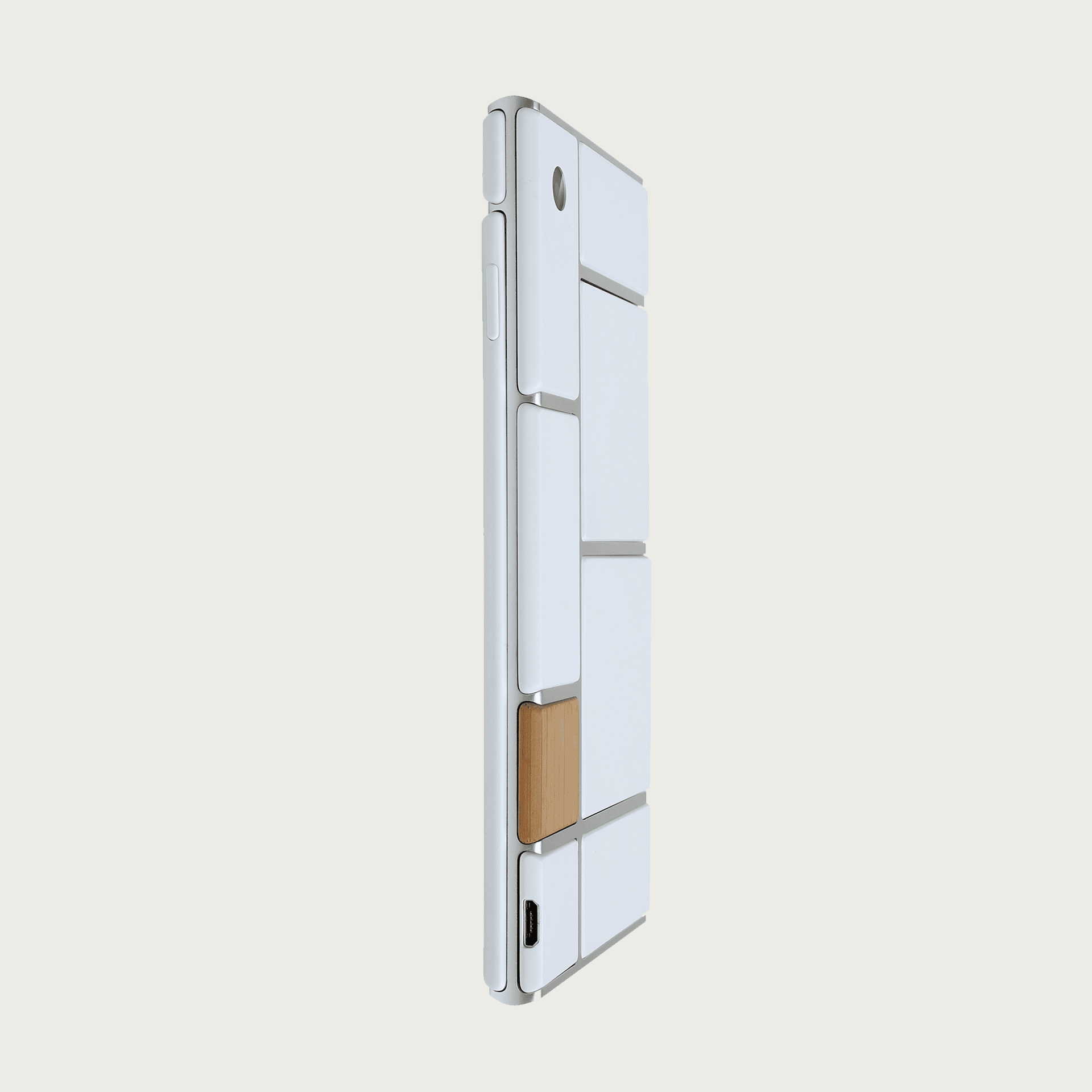
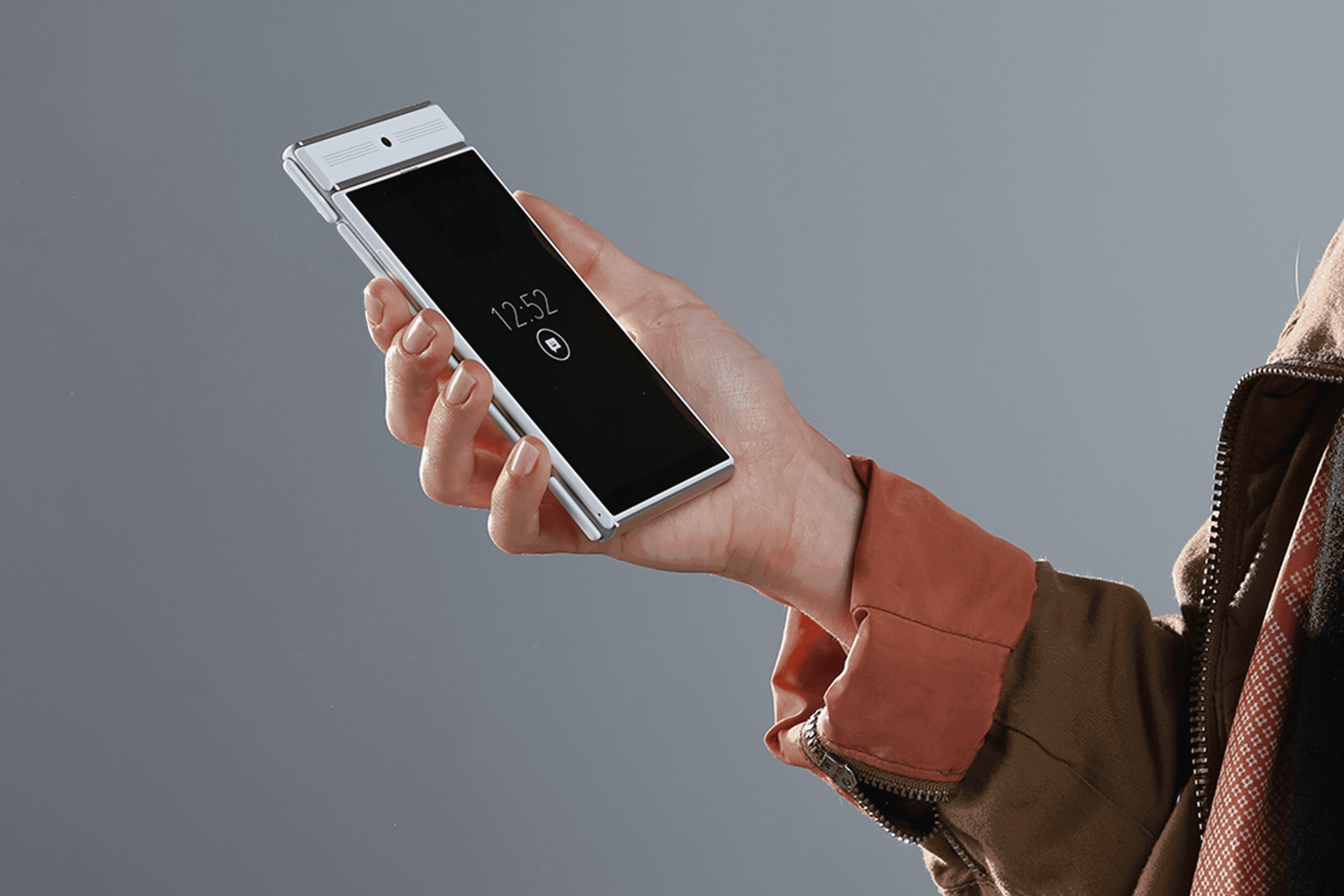
Under its original design, Project Ara was intended to consist of hardware modules providing common smartphone parts, such as processors, displays, batteries, and cameras, as well as modules providing more specialized components, and "frames" that these modules were to be attached to. This design would allow a device to be upgraded over time with new capabilities and upgraded without requiring the purchase of an entirely new device, providing a longer lifecycle for the device and potentially reducing electronic waste. Google planned to launch a new consumer version of ARA in 2017, but the project was ultimately shelved for “technical challenges, durability concerns, and the difficulty of creating a consumer-friendly model.”
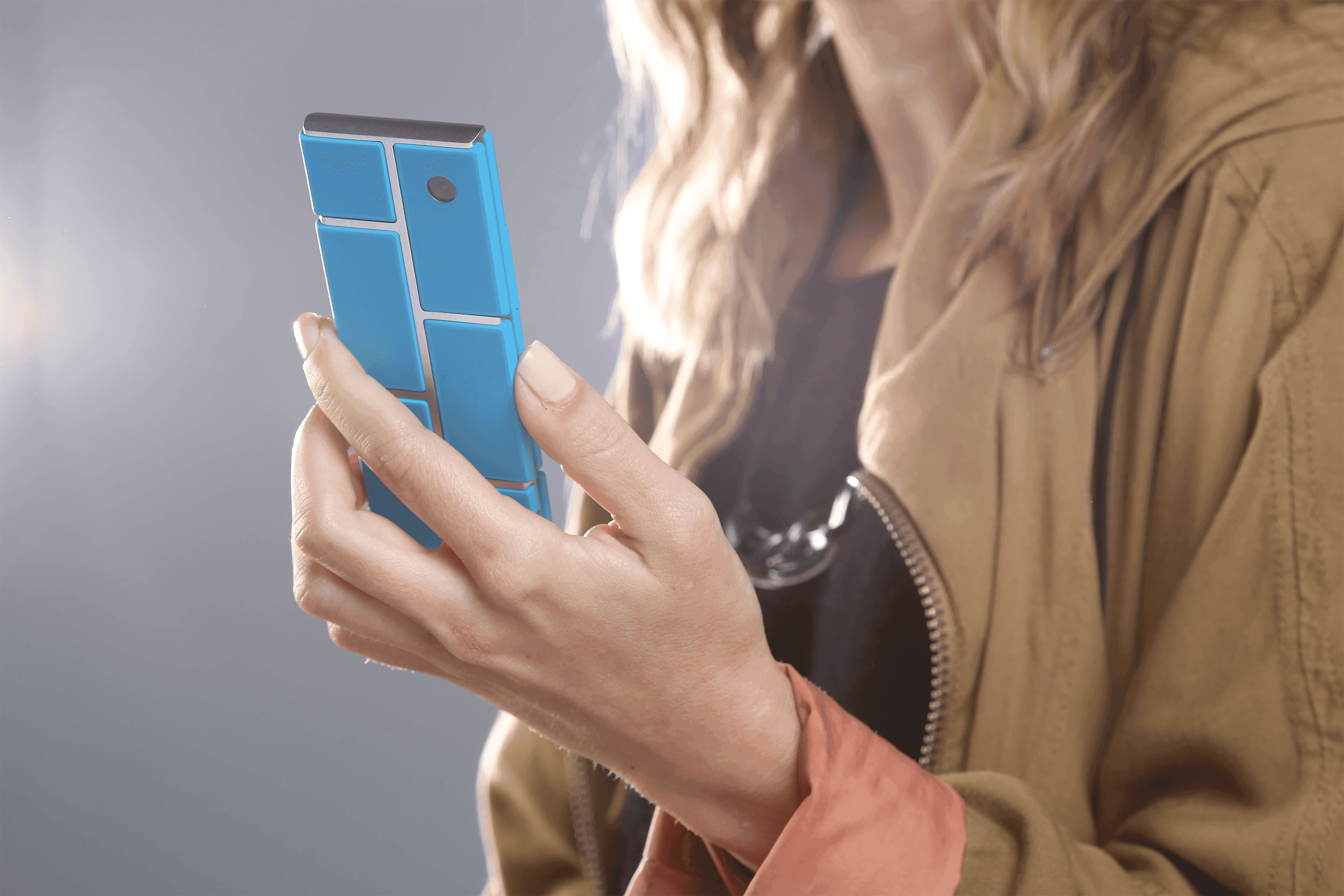
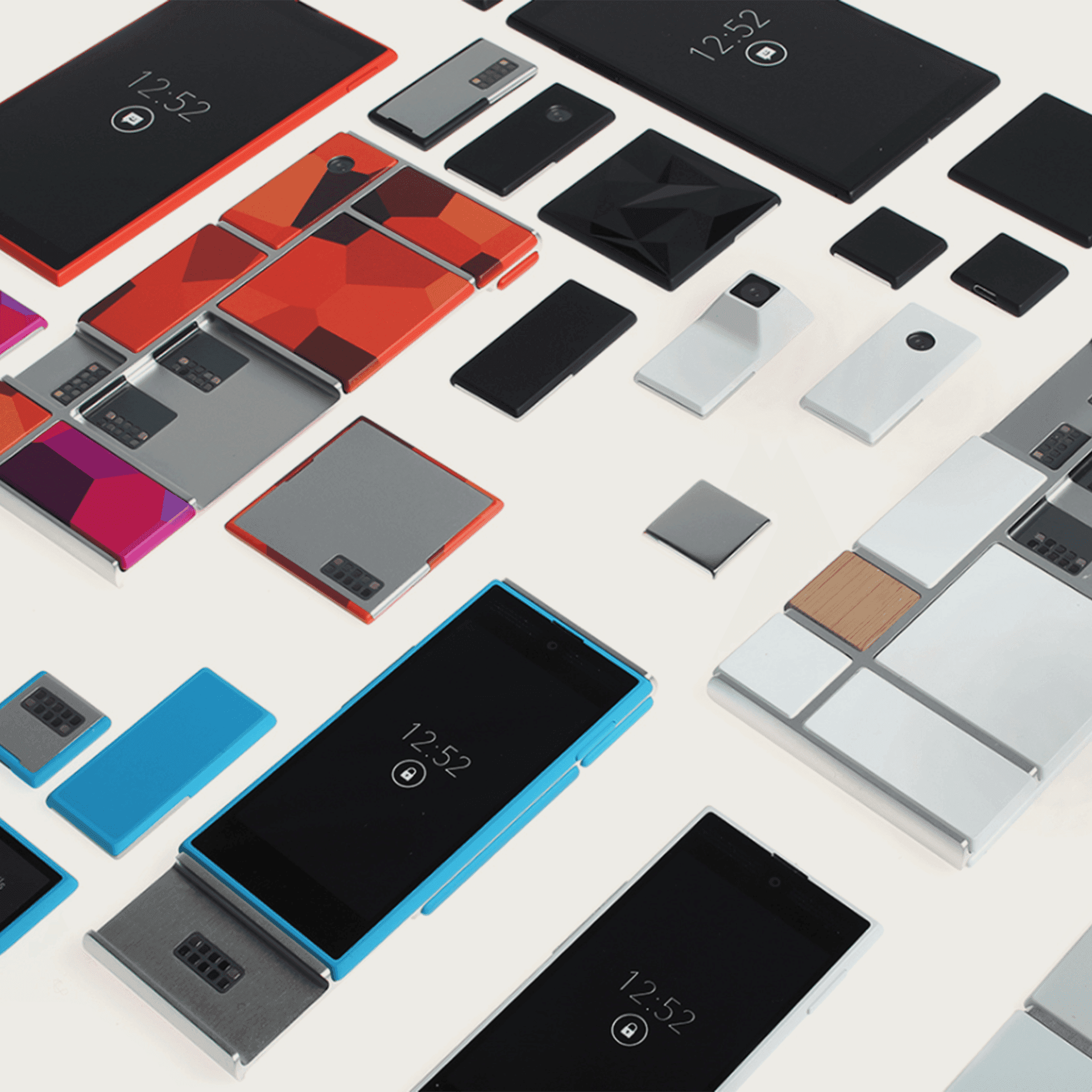
The concept consisted of modules inserted into metal endoskeletal frames known as "endos." The frame would be the only component manufactured by Google and would link all the modules together. Google planned two sizes of frames, mini and medium on launch with a large frame planned for the future. Frames have slots on the front and back for the various modules. The modules would provide common smartphone features, such as screens, cameras, and speakers, but could also provide more specialized features, such as medical devices, receipt printers, laser pointers, pico projectors, night vision sensors, or game controller buttons. Each slot on the frame accepted any module of the correct size. The front slots were specifically sized for screens and speakers while the rear slots had standard sizes of 1×1, 1×2 and 2×2. Modules were to be hot-swapped without ever turning off the phone.
To reduce e-waste at scale.